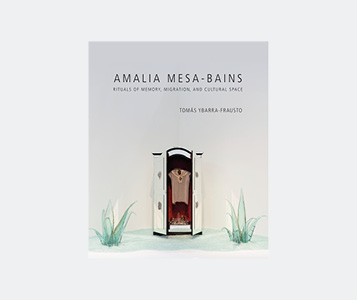
Amalia Mesa-Bains
Tomás Ybarra-Frausto, Foreword by Chon Noriega
September 2024
Amalia Mesa-Bains has garnered international recognition for multimedia installations that evoke the Chicana experience. This lively book recounts pivotal moments from her life, career, and collaborations, examining the intertwined worlds of Latinx culture, social movements, and contemporary art. Esteemed cultural historian Tomás Ybarra-Frausto relates Mesa-Bains’s life to contemporary events and her artistic and intellectual production...
View Details
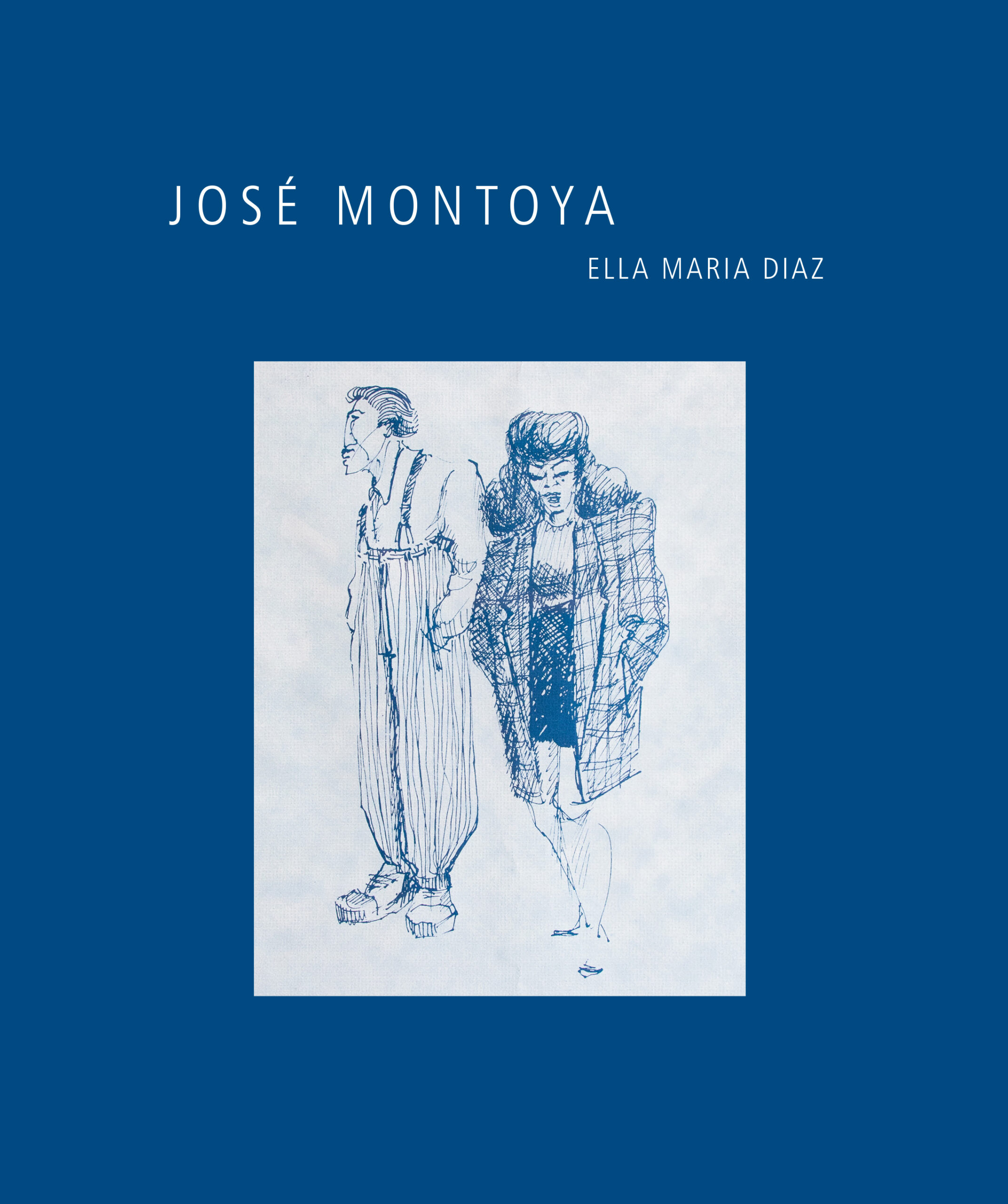
José Montoya
Ella Maria Diaz, Foreword by Chon A. Noriega
December 2020
José Montoya (1932–2013) was a leading figure in bilingual and bicultural expression drawn from barrio life as a defining feature of US culture. As an artist, poet, and musician, he produced iconic works depicting pachuco and pachuca culture drawn from his experiences as a youth in the post–World War II era. These include the poem...
View Details
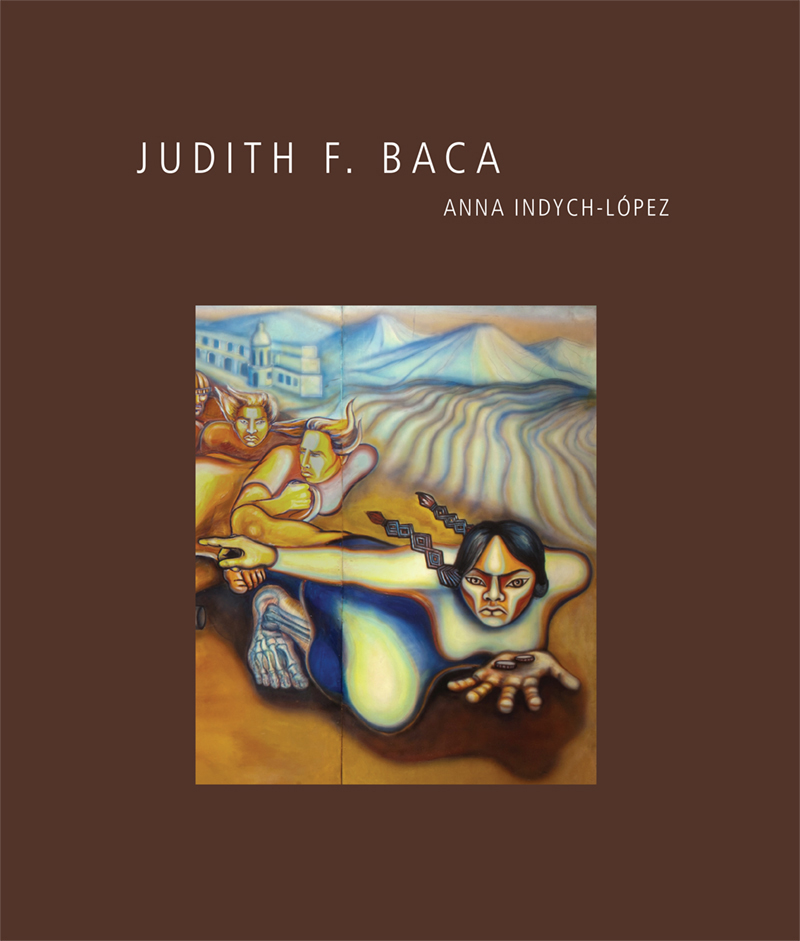
Judith F. Baca
Anna Indych-López, Foreword by Chon A. Noriega
January 2018
Judith F. Baca is best known for The Great Wall of Los Angeles (1976–83), a vibrant 2,740-foot mural in Los Angeles that presents an alternative history of California, one that focuses on the contributions of marginalized and underrepresented communities. The mural is representative of Baca’s pioneering approach to creating public art, in which members of the community...
View Details
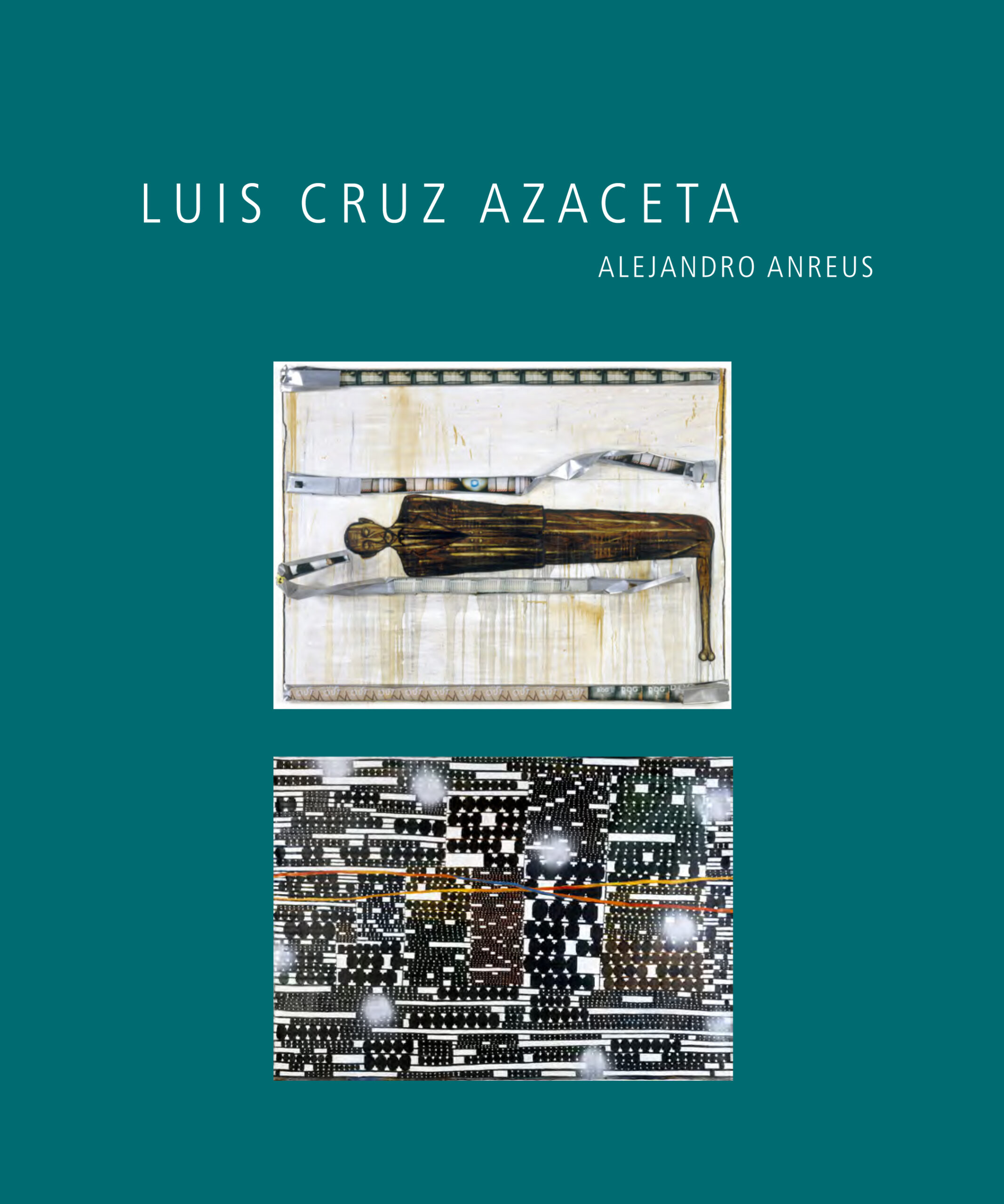
Luis Cruz Azaceta
Alejandro Anreus, Foreword by Chon A. Noriega
August 2014
Cuban American artist Luis Cruz Azaceta addresses what author Alejandro Anreus calls the “wounds and screams” of the human condition. Although Cruz Azaceta’s work is widely shown and widely collected, this is the first book-length monograph on the artist’s life and work. Anreus traces Cruz Azaceta’s career and explores the themes that are the focus...
View Details
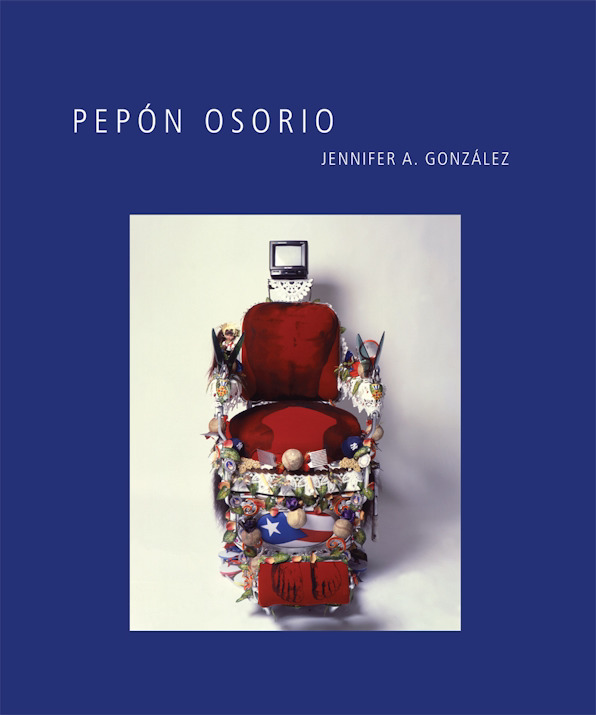
Pepón Osorio
Jennifer A. González, Foreword by Chon A. Noriega
August 2013
Pepón Osorio is an internationally recognized artist whose richly detailed work challenges the stereotypes and misconceptions that shape our view of social institutions and human relationships. The colorful, often riotous, installations for which he is best known are constructed from found objects and objects that he customizes or creates. With a wry sense of humor...
View Details
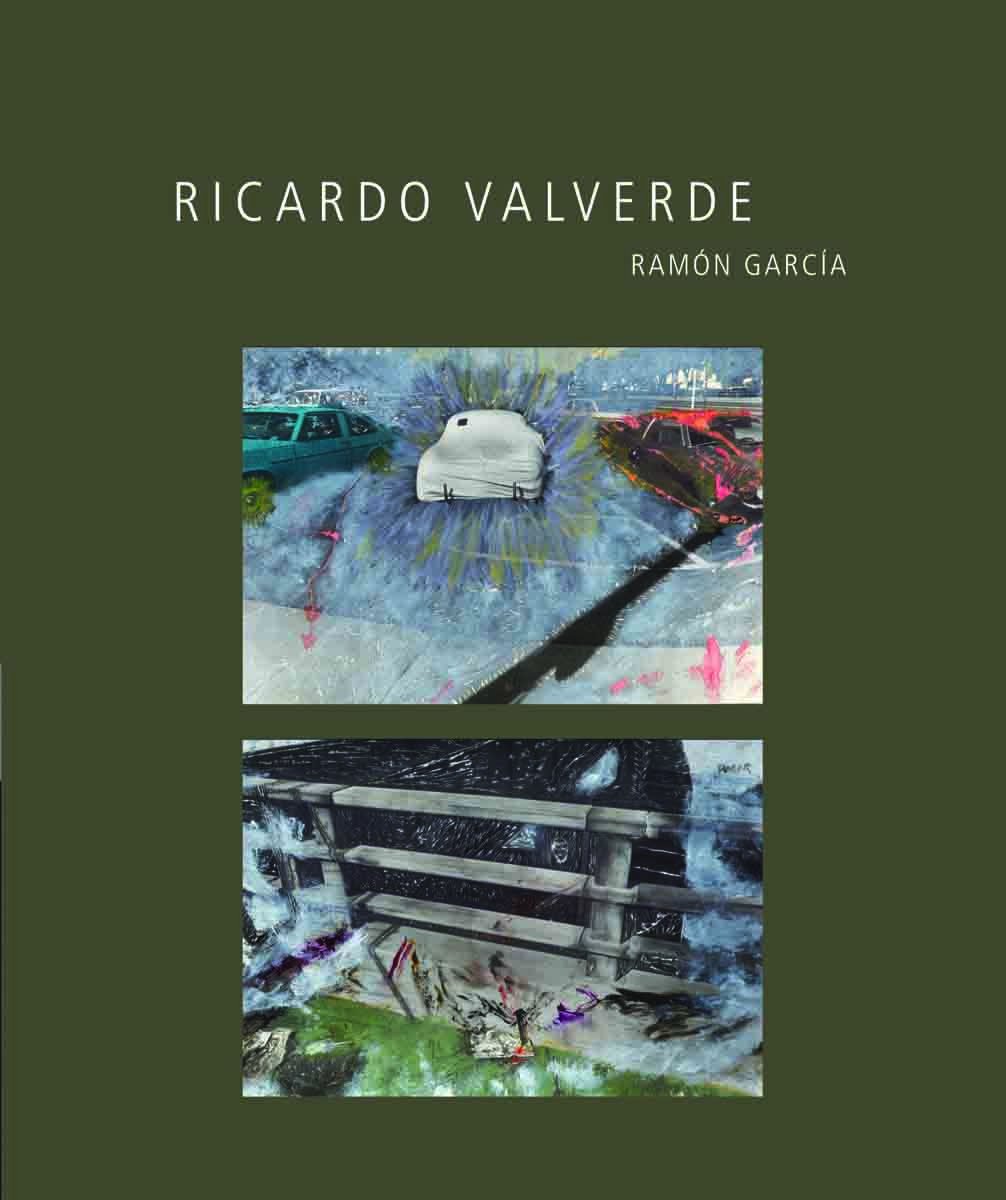
Ricardo Valverde
Ramón García, Foreword by Chon A. Noriega
July 2013
Ricardo Valverde dedicated himself to photographing East Los Angeles, determined to disrupt the history of image making. He understood that his community and its inhabitants had been, as author Ramón García notes, either overlooked or romanticized — or feared. Valverde’s street photography and portraiture, work done primarily in the 1970s and 1980s, offered a powerful...
View Details
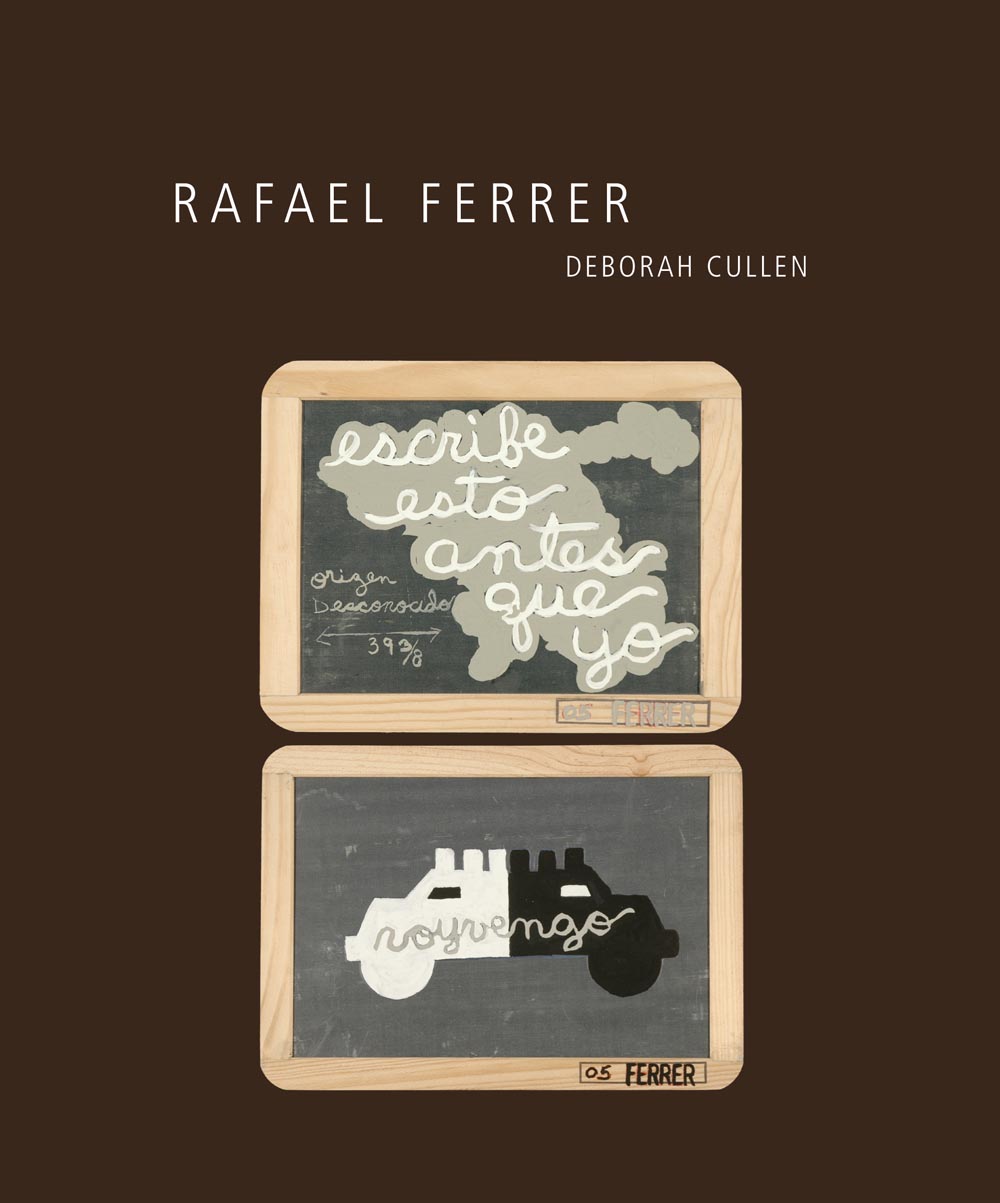
Rafael Ferrer
Deborah Cullen
September 2012
In this examination of the art of Rafael Ferrer, Deborah Cullen considers the creative evolution of the Puerto Rican-born, U.S.-based artist, who is widely recognized and critically acclaimed for postminimalist environments created during the 1960s and 1970s. In the 1980s Ferrer turned to painting, producing vibrant figurative canvases that depict life in the Caribbean—an apparently...
View Details
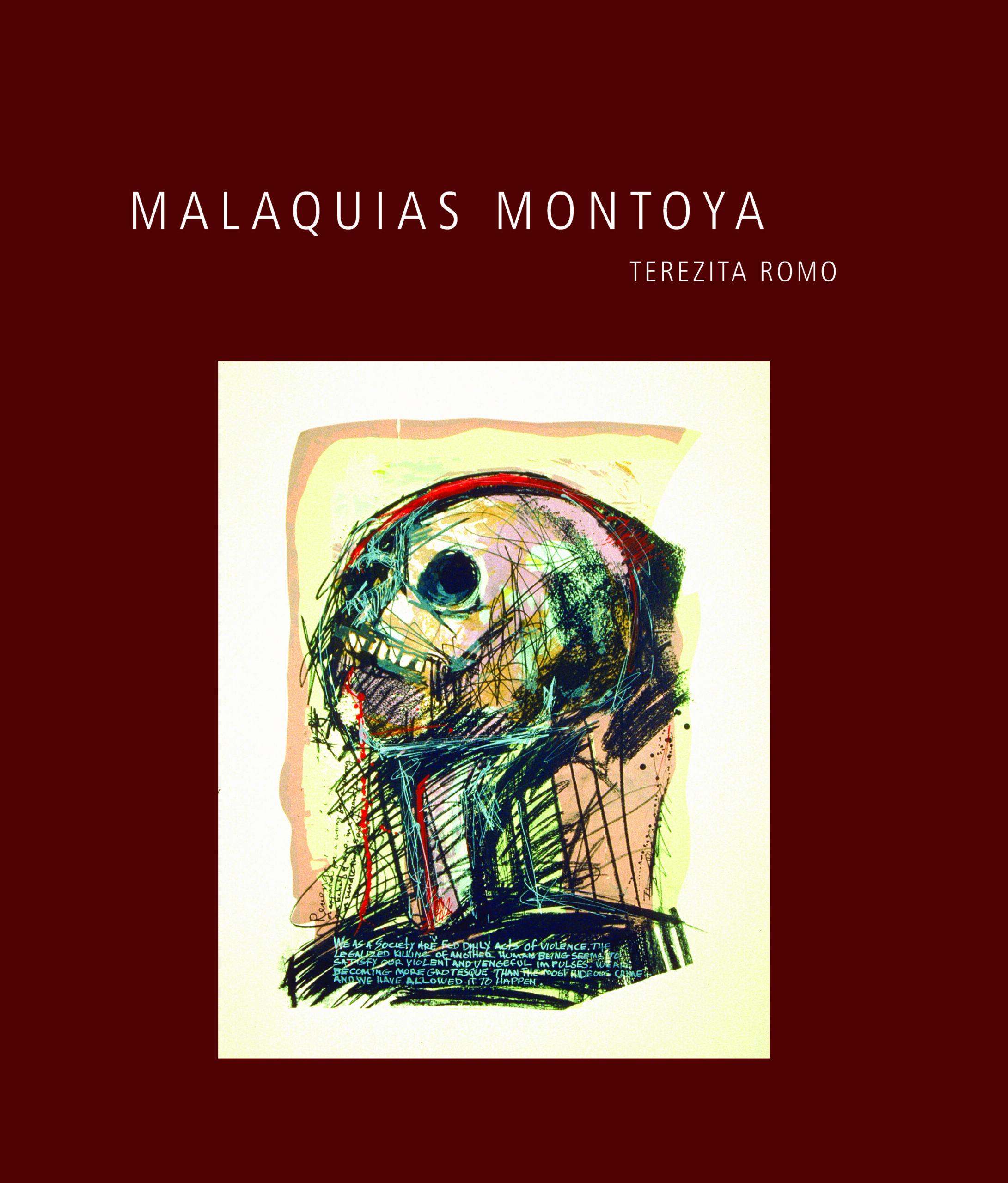
Malaquias Montoya
Terezita Romo
July 2011
Working in a variety of media—from drawings and paintings to murals and the silkscreen prints for which he is best known—Malaquias Montoya has pursued a singular artistic vision for more than four decades. As a cofounder in 1968 of the Mexican-American Liberation Art Front, an influential artists’ collective, his work inspired a generation of artists...
View Details
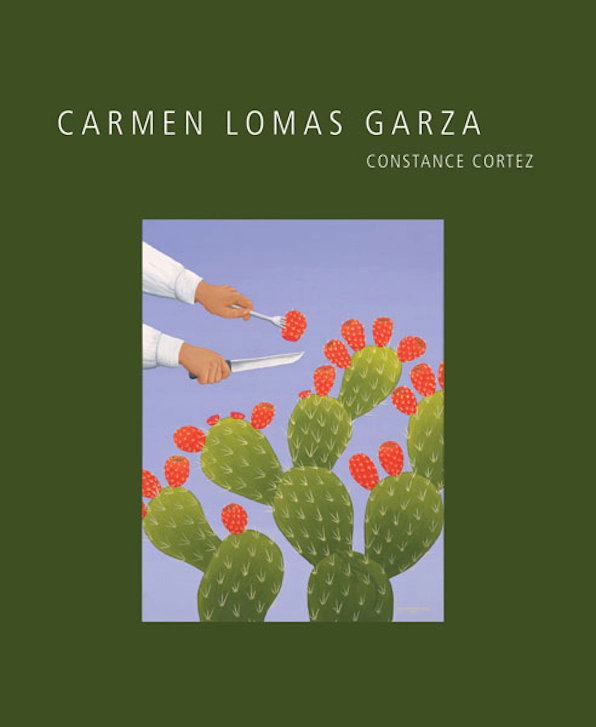
Carmen Lomas Garza
Constance Cortez
July 2010
Widely known for works that celebrate the traditions of her family and her South Texas Latino community, Carmen Lomas Garza has been active as a painter, printmaker, muralist, and children’s book illustrator since the 1970s. Born in Kingsville, Texas, she experienced institutionalized racism in a segregated school system that punished Mexican American students for speaking...
View Details