La Cocina
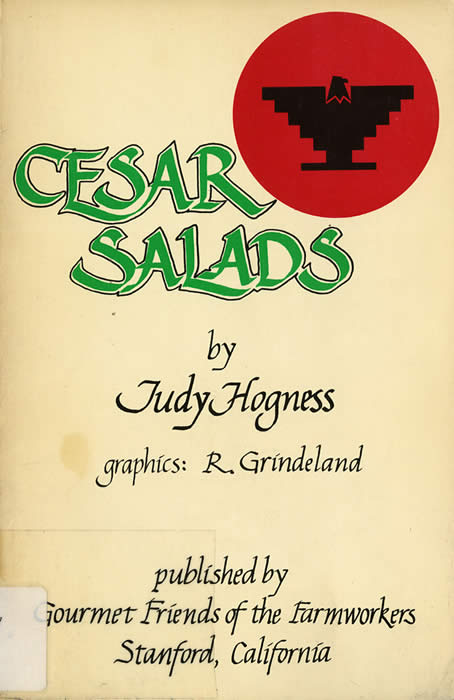
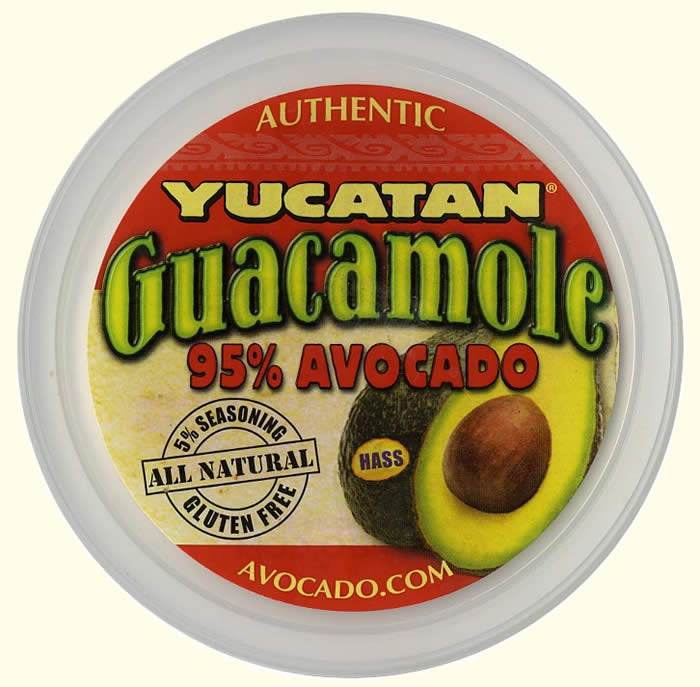
What is “authentic” Mexican food? Is authenticity measured by the types of ingredients that we use? Is it founded on the location of the culinary practice, be it geographic or structural? Homemade versus store bought? Taco shop versus restaurant chain? Or is authenticity based on the identity or ethnicity of the cook? Although responses to these questions can be provided from any number of viewpoints, there is, in truth, no right or wrong answer. Authenticity is a relative term that is dependent on the individual and the collective experience of a person or community.
For Chicanas and Chicanos, the kitchen is a site of tradition and familia. The platillos—the food we eat—is as much a reflection of our history and culture as is our language, our music, or our art. As Meredith Abarca notes in her Voices in the Kitchen: Views of Food and the World from Working-Class Mexican and Mexican American Women (2006), the kitchen site is a form of studio and cooking, an artistic expression. La Cocina highlighted this culinary tradition, which mixes traditions from the past as well as more recent customs. Like Chicanas and Chicanos, “Mexican” food is neither here nor there, this or that; instead, it is an amalgamation of diverse culinary traditions from people and communities all over the world.
¡Buen provecho!
In the vitrine.